
Semaglutide offers a range of benefits, particularly for those struggling with type 2 diabetes and obesity. Here are some of the key advantages:
Semaglutide helps lower blood sugar levels by enhancing insulin secretion and reducing glucagon production. This dual action makes it an effective treatment for managing type 2 diabetes, helping patients achieve better glycemic control.
One of the most significant benefits of Semaglutide is its ability to promote weight loss. Clinical studies have shown that patients treated with Semaglutide experienced substantial weight reduction compared to those on a placebo. This weight loss can lead to improved overall health and a reduced risk of obesity-related conditions.
Semaglutide has been shown to lower the risk of major cardiovascular events, such as heart attack and stroke, in people with type 2 diabetes. This added benefit makes it an attractive option for patients looking to improve their overall cardiovascular health.
By helping manage blood sugar levels and promoting weight loss, Semaglutide can significantly improve the quality of life for patients. Reduced hunger and better glycemic control can lead to increased energy levels, improved mood, and a greater ability to engage in daily activities.

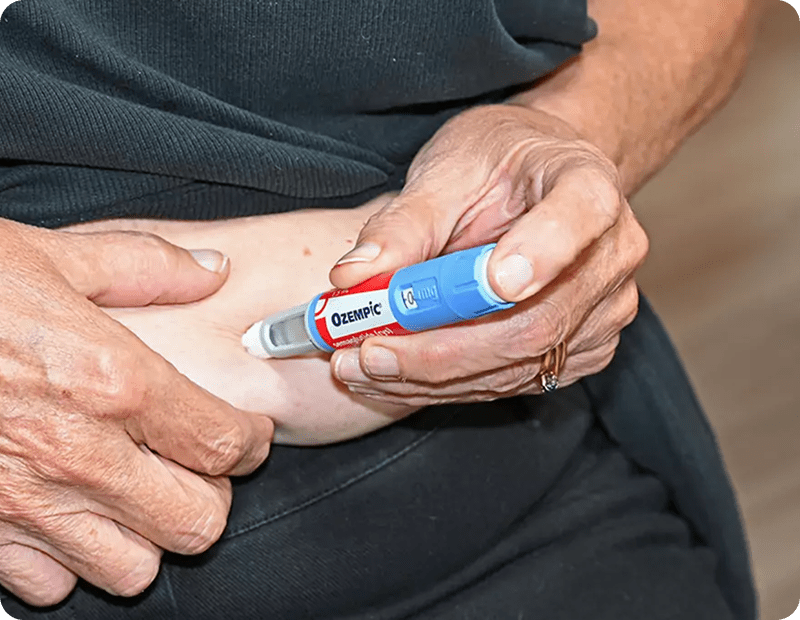
Semaglutide treatment is suitable for various individuals, particularly those with type 2 diabetes or obesity. Here are some factors that may indicate Semaglutide is right for you:
If you have type 2 diabetes and struggle to maintain stable blood sugar levels with diet, exercise, and other medications, Semaglutide may be a beneficial addition to your treatment plan. It can help improve glycemic control and reduce the risk of diabetes-related complications.
Semaglutide is also an effective option for individuals with obesity who have not achieved significant weight loss through lifestyle changes alone. The medication can help reduce appetite and promote weight loss, leading to improved overall health.
If you have a history of cardiovascular events or are at high risk for such events, Semaglutide may be a suitable treatment option. Its ability to lower the risk of heart attack and stroke makes it a valuable addition to your health management plan.
Semaglutide is primarily used to treat type 2 diabetes and obesity, but it can also address other related conditions. Here are some of the conditions that Semaglutide can help manage:
As mentioned earlier, Semaglutide is highly effective in managing type 2 diabetes. It helps regulate blood sugar levels, reducing the risk of complications associated with poorly controlled diabetes.
Semaglutide has been approved for weight management in individuals with obesity. It can help reduce body weight and improve overall health, lowering the risk of obesity-related conditions.
For individuals with type 2 diabetes, Semaglutide can lower the risk of major cardiovascular events, such as heart attack and stroke. This added benefit makes it an attractive option for patients with a high risk of cardiovascular disease.
While not specifically approved for pre-diabetes, Semaglutide’s ability to improve glycemic control and promote weight loss may help prevent the progression of pre-diabetes to type 2 diabetes.


Before considering Semaglutide treatment, there are several lifestyle changes you can try at home to improve your health. These changes can help manage blood sugar levels, promote weight loss, and improve overall well-being. Here are some recommendations:
Adopting a balanced, nutritious diet is crucial for managing type 2 diabetes and promoting weight loss. Focus on consuming whole foods, such as fruits, vegetables, lean proteins, and whole grains. Limit your intake of processed foods, sugary beverages, and unhealthy fats.
Engaging in regular physical activity can help improve blood sugar control, promote weight loss, and enhance overall health. Aim for at least 150 minutes of moderate-intensity exercise per week, such as brisk walking, swimming, or cycling.
If you have type 2 diabetes, regularly monitoring your blood sugar levels can help you understand how your body responds to different foods, activities, and medications. This information can guide your treatment plan and help you make informed decisions about your health.
If you are overweight or obese, losing even a small amount of weight can significantly improve your health. Focus on making sustainable lifestyle changes, such as adopting a healthy diet and engaging in regular exercise, to achieve gradual weight loss.
Chronic stress can negatively impact blood sugar levels and overall health. Practice stress management techniques, such as mindfulness, meditation, deep breathing exercises, or engaging in hobbies you enjoy.
At MVP Men’s Clinic, we take a personalized approach to determine if Semaglutide treatment is right for you. Our process involves several steps to ensure you receive the most appropriate and effective care for your needs.
Our first step is to conduct a thorough health assessment, which includes reviewing your medical history, current medications, and any existing health conditions. This assessment helps us understand your overall health and identify any potential contraindications for Semaglutide treatment.
We may recommend blood tests and other diagnostic evaluations to assess your blood sugar levels, lipid profile, liver function, and other relevant health markers. These tests provide valuable information about your health status and help us determine if Semaglutide is a suitable option for you.
Based on your health assessment and diagnostic results, we will develop a personalized treatment plan tailored to your specific needs and goals. This plan may include Semaglutide treatment, along with lifestyle recommendations, such as diet and exercise modifications, to optimize your health outcomes.
At MVP Men’s Clinic, we believe in providing ongoing support and monitoring to ensure the success of your treatment plan. We will schedule regular follow-up appointments to track your progress, adjust your treatment plan as needed, and address any concerns or questions you may have.


Semaglutide treatment offers a promising solution for individuals with type 2 diabetes and obesity, providing effective blood sugar control, significant weight loss, and reduced cardiovascular risk. At MVP Men’s Clinic, we are committed to helping men in Madison County, MS, achieve their health and wellness goals through personalized, patient-centered care. By offering tailored treatments like Semaglutide and ongoing support, we empower men to take control of their health and improve their overall quality of life.